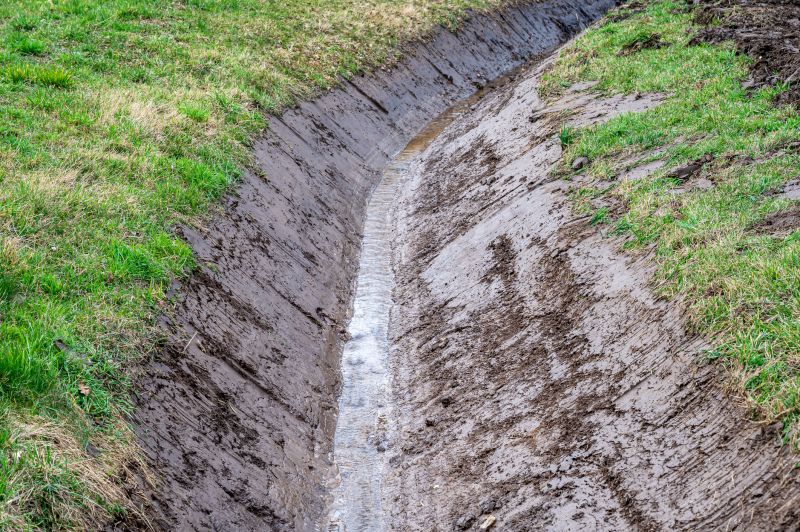
Ditch Repair in Houston, TX
Ditch repair services focus on restoring and maintaining the integrity of underground drainage and irrigation systems on residential properties. These services typically cover projects such as fixing broken or collapsed pipes, replacing damaged sections, and addressing issues caused by soil movement or root intrusion. Homeowners often seek ditch repair to prevent water pooling, protect landscaping, and ensure proper drainage away from foundations, especially after severe weather events or when signs of deterioration appear.
Before requesting ditch repair, property owners should consider the extent of the damage, the type of piping or drainage system involved, and the accessibility of the affected area. Understanding the scope of work needed can help determine whether repairs are sufficient or if more extensive replacement is necessary. Clear information about the location, symptoms of drainage issues, and any prior repairs can assist in planning an effective solution and ensuring the longevity of the drainage system.
Many property owners in Houston, TX look into Ditch Repair for repairs, replacements, upgrades, and appearance-related improvements.
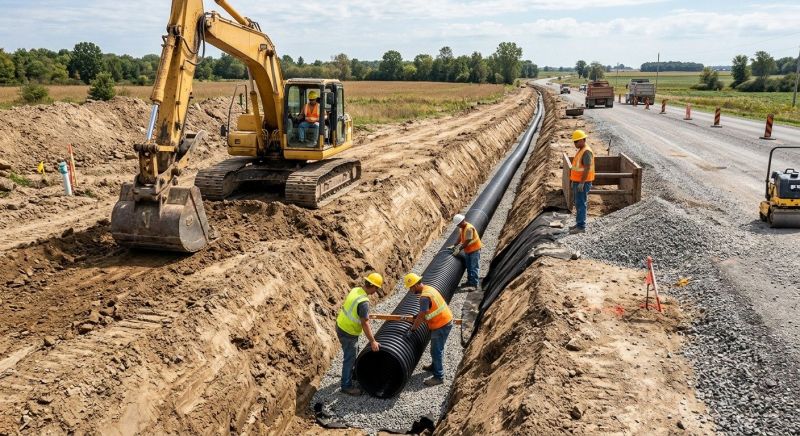
Signs Of Ditch Damage
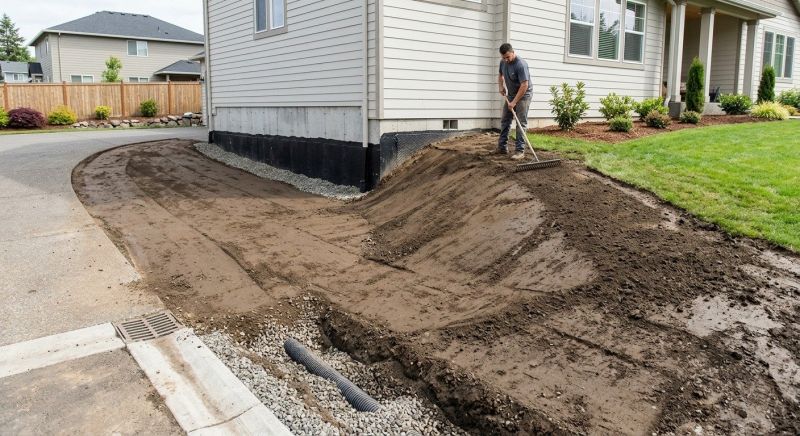
Cracks, sagging, or standing water can indicate ditch issues that need attention.
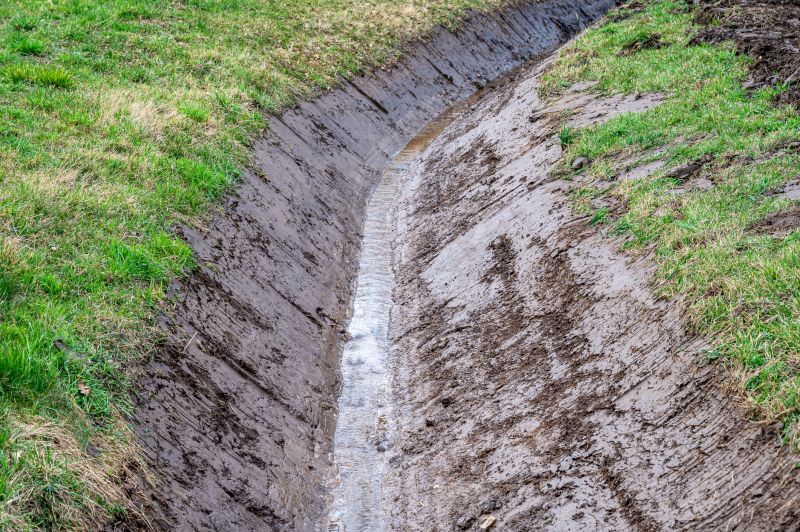
Common Repair Solutions
Repairs may include regrading, lining, or replacing damaged sections to restore proper drainage.
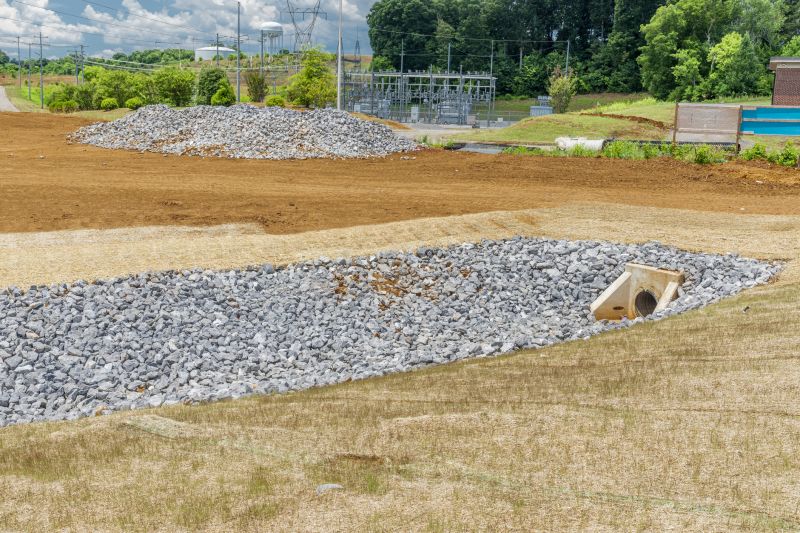
Importance Of Maintenance
Regular inspections help prevent costly repairs and ensure effective water flow around houston properties.
Ditch Repair in Houston, TX

Ditch repair services focus on restoring and maintaining the integrity of underground drainage and irrigation systems on residential properties. These services typically cover projects such as fixing broken or collapsed pipes, replacing damaged sections, and addressing issues caused by soil movement or root intrusion. Homeowners often seek ditch repair to prevent water pooling, protect landscaping, and ensure proper drainage away from foundations, especially after severe weather events or when signs of deterioration appear.
Before requesting ditch repair, property owners should consider the extent of the damage, the type of piping or drainage system involved, and the accessibility of the affected area. Understanding the scope of work needed can help determine whether repairs are sufficient or if more extensive replacement is necessary. Clear information about the location, symptoms of drainage issues, and any prior repairs can assist in planning an effective solution and ensuring the longevity of the drainage system.
Many property owners in Houston, TX look into Ditch Repair for repairs, replacements, upgrades, and appearance-related improvements.
Common Ditch Repair Jobs
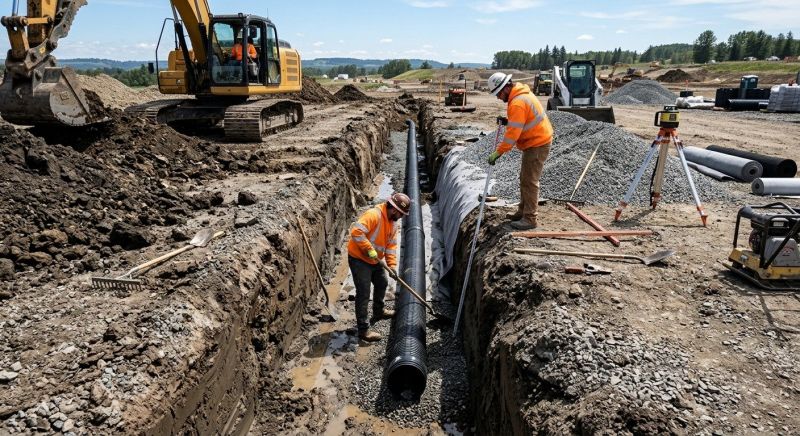
Drain pipe repair - restores proper flow by fixing leaks, clogs, or breaks in the piping system.
Drain pipe replacement - involves removing damaged sections and installing new piping to prevent future issues.
Drain pipe sealing - applies waterproofing solutions to stop leaks and prevent water infiltration.
Drain pipe cleaning - clears blockages and buildup to maintain efficient drainage.
Drain pipe installation - sets up new piping systems for renovations or new construction projects.
Drain pipe inspection - uses camera technology to identify problems and plan effective repairs.

Ditch Repair Questions
What causes ditch damage? Ditch damage can result from soil erosion, heavy rainfall, or improper grading that weakens the ditch’s structure.
When should a ditch be repaired? Repairs are needed when the ditch shows signs of erosion, standing water, or blockages that affect drainage.
What types of repairs are common? Common repairs include regrading, installing liners, or adding erosion control measures to restore proper flow.
How can proper maintenance help? Regular inspection and clearing can prevent issues and extend the lifespan of the ditch infrastructure.
Request Ditch Repair in Houston, TX
Use the quote form on this page to share the basics of your project and request more information for the type of work you need.